








Nashville Photo

Linton South Harpeth, Nashville,TN

Neighborhood Data
Proximitii Score score
? /100
Amenities Score Amenities Score Locked
Transit Score Transit & Commute Score Locked
Schools Score Schools Score Locked
Health & Safety Score Health & Safety Score Locked
City Crime Score Crime (City) Score Locked
Location Crime Score Crime (Location) Score Locked
Economy Score Economy Score Locked
Housing Score Housing Score Locked

For those considering a move to the vibrant city of Nashville, the Linton South Harpeth neighborhood offers a charming blend of suburban calm with easy access to urban amenities. Nestled in the southeast part of Nashville, this community is perfect for families, young professionals, and anyone looking for a balanced lifestyle. One of the biggest draws here is the peaceful, tree-lined streets that provide a welcoming atmosphere and a strong sense of community. Whether you enjoy weekend strolls or bike rides, the nearby parks and green spaces make it easy to stay active and connected with nature.

Linton South Harpeth stands out with its access to some wonderful local attractions that add character and convenience to everyday life. The neighborhood is close to the Harpeth River, which offers beautiful trails for hiking and kayaking, perfect for outdoor enthusiasts looking to unwind after work or on weekends. Additionally, residents can explore nearby local shops, cozy cafes, and family-friendly restaurants that contribute to the friendly charm of the area. For those who love a bit of culture, the community is also within a short drive of several art galleries and music venues that showcase Nashville’s rich creative spirit.

One of the perks of living in Linton South Harpeth is its proximity to Downtown Nashville, which is just about a 15 to 20-minute drive away, depending on traffic. This makes commuting to the city center for work or entertainment quite manageable, allowing residents to enjoy all the benefits of downtown life without the constant hustle and bustle. Whether you’re heading out for a concert, exploring the nightlife, or attending a sporting event, being close to the heart of Nashville is a great advantage. Overall, Linton South Harpeth offers a wonderful mix of tranquility, community, and accessibility that makes it a fantastic place to call home.

Linton South Harpeth Demographics

Population 83
Density (People/sqml.) 111
Median Age 43.7
Married Couples
61%
61% of the population of Linton South Harpeth aged 16 years and older are married.
Have Kids
26%
26% of the population aged 16 years or older have children.

In Linton South Harpeth, 26% of residents aged 16 and older are married, which is notably higher than the national average. This could point to a more settled, community-driven neighborhood where long-term residents and homeowners are common. It’s the kind of place where stability, and a close-knit atmosphere make it especially appealing to families and couples looking to put down roots.

With only 26% of people over 16 having children, you can expect an easygoing environment that tends to attract residents seeking a quieter lifestyle. The atmosphere here leans more toward adult-oriented living. Without the constant rhythm of school schedules or kid-centered events, the community maintains a slower, more relaxed pace. This makes it especially appealing to singles, couples, and empty nesters who appreciate tranquil streets, and recreation on their own terms.

Age Breakdown

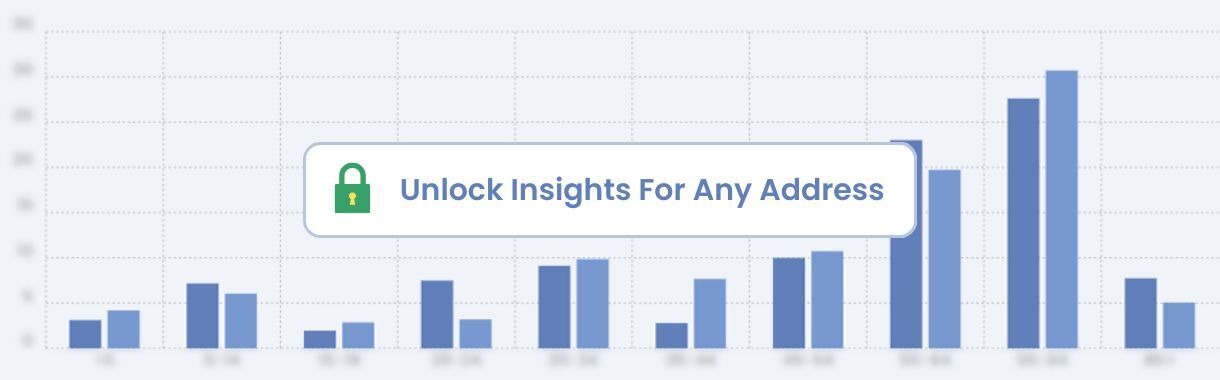
Linton South Harpeth neighborhood age breakdown chart

Linton South Harpeth demographics offer valuable insights into the character and lifestyle of the neighborhood, helping you understand who lives there and what daily life might feel like. Home to only about 83 residents, Linton South Harpeth is notably smaller than many other Nashville neighborhoods, creating a more peaceful and community-oriented atmosphere. Its lower population can translate to quieter streets, a more relaxed pace of life, and easier access to local amenities — all without sacrificing the vibrant urban lifestyle the city is known for.

With a lower than average population density of 111 people per square mile, Linton South Harpeth offers a more open and spacious environment compared to many other Nashville neighborhoods. This often means quieter streets, less congestion, and a relaxed atmosphere — all while still providing access to the amenities and conveniences of city living.

With an average age of 44, you're likely to find a well-balanced community where multiple generations live side by side. This mix of age groups contributes to a neighborhood atmosphere that’s both active and welcoming, offering a blend of fresh perspectives and long-standing community values.

Crime in Linton South Harpeth

Crime Safety Index Score Locked 1 2 3 4 5


Total Crime Incidents
Try for free within 1 mile
Score Locked per 100k people

Types of Crime

Linton South Harpeth neighborhood crime breakdown chart

Linton South Harpeth Crime Map

The Linton South Harpeth crime map offers a clear, data-driven look at how crime is distributed throughout the neighborhood, using block group data to highlight both safer areas and potential hot spots. The color-coded map makes it easy to see where crime is more concentrated and where it occurs less frequently, helping residents and prospective buyers better understand local safety patterns. It’s important to note that darker or red zones on the map don’t necessarily mean those areas are unsafe — locations near busy transit hubs, shopping districts, or popular attractions often show higher activity simply due to larger crowds and increased foot traffic.

Housing

? /10
Home Price $312,550
Median Rent $1,956
People/Household 2.5

Home Price Breakdown

Linton South Harpeth neighborhood home price breakdown chart

Rent vs Own

Rent 12% Own 88%

Year Moved In

Before 2010 53% After 2010 47%

Types of Homes in the Area

Market Trends

Year-over-Year Home Prices YoY data


Housing prices can reveal a lot about the balance and overall appeal of a neighborhood. In Linton South Harpeth, the median home price is about $312,550, which is on par with many comparable areas. This average pricing reflects a stable, affordable housing market and makes the neighborhood an appealing choice for a wide range of buyers seeking both value and long-term potential. Examining how home prices and appreciation rates in Linton South Harpeth have shifted over time can reveal important clues about the neighborhood’s future value. These trends help potential buyers and investors understand market momentum and determine whether the area is likely to deliver strong returns over the long term.

With an average rent price of $1,956, rental rates in Linton South Harpeth are higher than many other neighborhoods. This reflects the area’s desirability and strong demand, often accompanied by well-maintained properties, premium amenities, and a high quality of life.

Walkability & Lifestyle

Coffee Shops


Entertainment

Paw Paw Theater
Theatre Arts
min.
min.


Food & Drink


Groceries


Parks

Playground
Playground
min.
min.


Shops


Getting Around

Transit Stops


Transit Stations


Health & Safety

Medical Facilities


Health Care


Safety


Top Rated Schools

Name Category Grades Rating
St Matthew Catholic School
533 Sneed Rd W, Franklin, TN
Elementary School KG - 8 School Score

Education Level Achieved

School ratings in Linton South Harpeth combine factors like student performance, graduation rates, and standardized test scores to provide a clear picture of overall educational quality. The use of NAEP (National Assessment of Educational Progress) scores adds valuable context by offering a consistent national benchmark to see how local schools compare on a broader scale. Additionally, understanding the overall education level achieved by residents in Linton South Harpeth can give insight into the community’s priorities and opportunities, helping families make more informed decisions about where to live and how well local schools may support long-term student success.