








Wichita Photo

South Area, Wichita,KS

Neighborhood Data
Proximitii Score score
? /100
Amenities Score Amenities Score Locked
Transit Score Transit & Commute Score Locked
Schools Score Schools Score Locked
Health & Safety Score Health & Safety Score Locked
City Crime Score Crime (City) Score Locked
Location Crime Score Crime (Location) Score Locked
Economy Score Economy Score Locked
Housing Score Housing Score Locked

For those considering a move to Wichita, KS, the South Area offers a charming blend of community spirit and convenient amenities. This neighborhood is known for its welcoming atmosphere and family-friendly vibe, making it an excellent choice for both young professionals and growing families. Residents enjoy access to numerous parks and recreational spaces, such as the picturesque South Riverside Park, which is perfect for weekend picnics, jogging, or simply unwinding outdoors. The area’s local eateries and coffee shops add to its charm, providing cozy spots to socialize and enjoy delicious meals without having to travel far.

One of the standout attractions in the South Area is the vibrant South Central Community Center, which hosts a variety of events and activities throughout the year — from fitness classes to cultural celebrations. This hub of activity fosters a strong sense of community and offers plenty of opportunities to make new friends and stay active. Additionally, the neighborhood is home to some unique local businesses, including artisan shops and family-owned stores that add character and convenience to everyday living. This mix of amenities ensures that residents have everything they need close to home.

When it comes to accessibility, the South Area is impressively close to Downtown Wichita, making commutes and weekend outings a breeze. With just a short drive north-west, residents can easily access the bustling downtown district, which is filled with entertainment venues, theaters, restaurants, and shopping options. This proximity allows those living in the South Area to enjoy both a peaceful residential environment and the lively urban scene without compromise. Whether you’re seeking a quiet neighborhood or easy access to city life, the South Area offers a wonderful balance for anyone relocating to Wichita.

South Area Demographics

Population 5,565
Density (People/sqml.) 1,368
Median Age 33.4
Married Couples
42%
42% of the population of South Area aged 16 years and older are married.
Have Kids
30%
30% of the population aged 16 years or older have children.

30% of the South Area population aged 16 and up are married, which is in line with national averages. This balance suggests a neighborhood with a healthy mix of families, couples, and single residents, creating a well-rounded community dynamic. You are likely to find a blend of stability and social variety, appealing to both long-term homeowners and younger professionals alike.

With only 30% of people over 16 having children, you can expect an easygoing environment that tends to attract residents seeking a quieter lifestyle. The atmosphere here leans more toward adult-oriented living. Without the constant rhythm of school schedules or kid-centered events, the community maintains a slower, more relaxed pace. This makes it especially appealing to singles, couples, and empty nesters who appreciate tranquil streets, and recreation on their own terms.

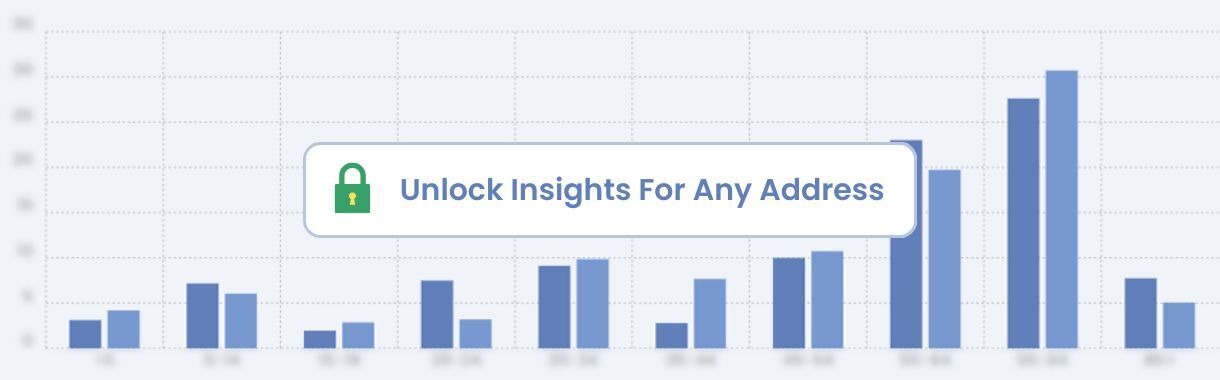
Age Breakdown

South Area neighborhood age breakdown chart

South Area demographic details provide a clearer picture of what life is like in the neighborhood, offering insight into its character, community, and overall lifestyle. With a population of 5,565, the number of residents who reside in South Area is about average in size compared to other Wichita neighborhoods, striking a perfect balance between energy and tranquility. It’s large enough to offer plenty of amenities, activities, and a vibrant local scene, yet small enough to maintain a welcoming community feel and a more relaxed pace of life.

With a lower than average population density of 1,368 people per square mile, South Area offers a more open and spacious environment compared to many other Wichita neighborhoods. This often means quieter streets, less congestion, and a relaxed atmosphere — all while still providing access to the amenities and conveniences of city living.

With an average age of 33, you're likely to find a well-balanced community where multiple generations live side by side. This mix of age groups contributes to a neighborhood atmosphere that’s both active and welcoming, offering a blend of fresh perspectives and long-standing community values.

Crime in South Area

Crime Safety Index Score Locked 1 2 3 4 5


Total Crime Incidents
Try for free within 1 mile
Score Locked per 100k people

Types of Crime

South Area neighborhood crime breakdown chart

South Area Crime Map

The South Area crime map offers a clear, data-driven look at how crime is distributed throughout the neighborhood, using block group data to highlight both safer areas and potential hot spots. The color-coded map makes it easy to see where crime is more concentrated and where it occurs less frequently, helping residents and prospective buyers better understand local safety patterns. It’s important to note that darker or red zones on the map don’t necessarily mean those areas are unsafe — locations near busy transit hubs, shopping districts, or popular attractions often show higher activity simply due to larger crowds and increased foot traffic.

Housing

? /10
Home Price $114,978
Median Rent $959
People/Household 2.9

Home Price Breakdown

South Area neighborhood home price breakdown chart

Rent vs Own

Rent 35% Own 65%

Year Moved In

Before 2010 52% After 2010 48%

Types of Homes in the Area

Market Trends

Year-over-Year Home Prices YoY data


Housing trends offer valuable insight into the accessibility and character of a neighborhood. In South Area, the median home price is $114,978, which is less than many surrounding areas. This affordability makes it an attractive option for first-time buyers, young families, or anyone looking to enter the housing market without a significant financial barrier. Looking at appreciation rates and past market trends in South Area can offer valuable insight into the neighborhood’s investment potential. Understanding how home values have changed over time helps buyers gauge future growth, assess long-term stability, and make more informed real estate decisions.

The median rent is around $959, which is on par with many comparable neighborhoods. This balanced pricing offers a mix of affordability and value, making it a practical choice for a wide range of renters.

Walkability & Lifestyle

Coffee Shops


Entertainment

Starlite Drive-I
Cinema
min.
min.


Food & Drink

KFC
Fast Food
min.
min.
Subway
Fast Food
min.
min.

Groceries

Dillon's
Grocery Store
min.
min.


Parks

Emery Park
Park
min.
min.
Emery Park
Park
min.
min.

Shops

Kmart
Department Store
min.
min.


Getting Around

Transit Stops


Transit Stations


Health & Safety

Medical Facilities

Walgreens
Pharmacy
min.
min.


Health Care


Safety

Wichita Fire Department Station 19
Fire Station
min.
min.
Sedgwick County Fire Station 36
Fire Station
min.
min.

Top Rated Schools

Name Category Grades Rating
Enterprise Elem
3605 S Gold, Wichita, KS
Elementary School PK - 5 School Score
White Elem
5148 S Kansas, Wichita, KS
Elementary School PK - 5 School Score
West High
820 S Osage, Wichita, KS
High School 9 - 12 School Score
Oaklawn Elem
5000 S Clifton, Wichita, KS
Elementary School PK - 5 School Score
Sowers Alternative High School
2400 Wassall St, Wichita, KS
High School 9 - 12 School Score
Paul B Cooper Elem
4625 Juniper, Wichita, KS
Elementary School PK - 5 School Score
Wichita Adventist Christian Academy
2725 S Osage Ave, Wichita, KS
High School KG - 10 School Score

Education Level Achieved

School ratings in South Area combine factors like student performance, graduation rates, and standardized test scores to provide a clear picture of overall educational quality. The use of NAEP (National Assessment of Educational Progress) scores adds valuable context by offering a consistent national benchmark to see how local schools compare on a broader scale. Additionally, understanding the overall education level achieved by residents in South Area can give insight into the community’s priorities and opportunities, helping families make more informed decisions about where to live and how well local schools may support long-term student success.