








Augusta Photo

Industrial District, Augusta,GA

Neighborhood Data
Proximitii Score score
? /100
Amenities Score Amenities Score Locked
Transit Score Transit & Commute Score Locked
Schools Score Schools Score Locked
Health & Safety Score Health & Safety Score Locked
City Crime Score Crime (City) Score Locked
Location Crime Score Crime (Location) Score Locked
Economy Score Economy Score Locked
Housing Score Housing Score Locked

If you’re considering a move to the southeastern part of Augusta, GA, the Industrial District offers a unique blend of historic charm and modern revitalization that’s hard to resist. This neighborhood has seen a resurgence in recent years, transforming from its traditional manufacturing roots into a vibrant area filled with creative spaces, local artisans, and eclectic dining options. Residents enjoy a strong sense of community and an inviting atmosphere that’s perfect for those who appreciate character and authenticity in their surroundings.

One of the standout features of the Industrial District is its rich history, which is beautifully showcased through its preserved warehouses and converted lofts. The district is a hub for art lovers, with galleries and studios that frequently host events and exhibitions. Food enthusiasts will also find plenty to love here, thanks to the presence of popular spots like Frog Hollow Tavern, known for its farm-to-table dishes, and other cozy cafes and eateries that bring a local flavor to the area. Plus, the neighborhood hosts seasonal markets and festivals, making it a lively place to live and visit year-round.

Conveniently situated just a short drive from Downtown Augusta, residents of the Industrial District benefit from easy access to the city’s main attractions, including the Augusta Riverwalk and the vibrant downtown nightlife. This proximity means you’re never far from cultural events, shopping, and entertainment while still enjoying a quieter, more artistic neighborhood vibe. With its mix of historic appeal, creative energy, and convenient location, the Industrial District is an excellent choice for anyone looking to relocate to a part of Augusta that’s both dynamic and welcoming.

Industrial District Demographics

Population 3,201
Density (People/sqml.) 216
Median Age 31.0
Married Couples
28%
28% of the population of Industrial District aged 16 years and older are married.
Have Kids
26%
26% of the population aged 16 years or older have children.

About 28% of the Industrial District population aged 16 and older are married, which is notably lower than average. This could suggest a community with a younger, more transient population—perhaps made up of students, professionals, or renters. It may also reflect a neighborhood that attracts singles or couples without children, contributing to a more independent, urban lifestyle.

With only 26% of people over 16 having children, you can expect an easygoing environment that tends to attract residents seeking a quieter lifestyle. The atmosphere here leans more toward adult-oriented living. Without the constant rhythm of school schedules or kid-centered events, the community maintains a slower, more relaxed pace. This makes it especially appealing to singles, couples, and empty nesters who appreciate tranquil streets, and recreation on their own terms.

Age Breakdown

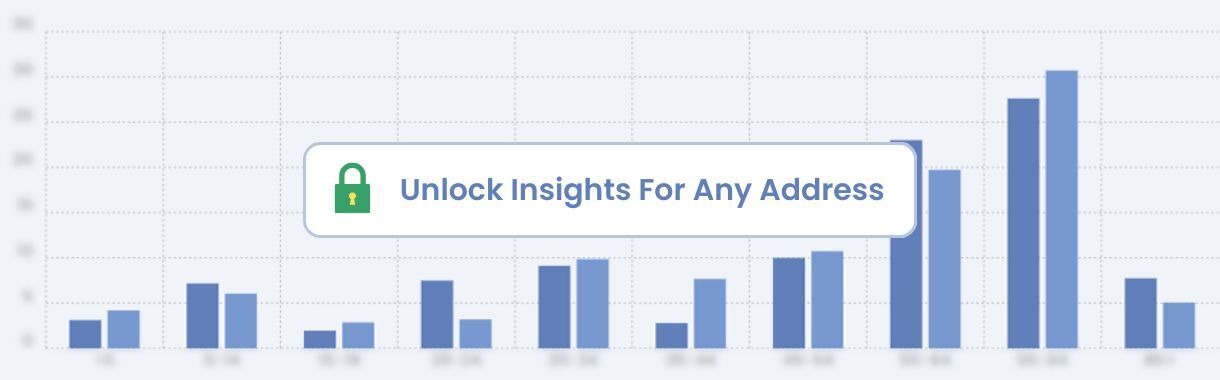
Industrial District neighborhood age breakdown chart

Industrial District demographics offer valuable insights into the character and lifestyle of the neighborhood, helping you understand who lives there and what daily life might feel like. Home to only about 3,201 residents, Industrial District is notably smaller than many other Augusta neighborhoods, creating a more peaceful and community-oriented atmosphere. Its lower population can translate to quieter streets, a more relaxed pace of life, and easier access to local amenities — all without sacrificing the vibrant urban lifestyle the city is known for.

With a lower than average population density of 216 people per square mile, Industrial District offers a more open and spacious environment compared to many other Augusta neighborhoods. This often means quieter streets, less congestion, and a relaxed atmosphere — all while still providing access to the amenities and conveniences of city living.

With a lower-than-average age of 31, you're likely to find a noticeably youthful energy and vibrant atmosphere. This younger population brings a dynamic mix of activity, innovation, and community involvement, shaping a neighborhood that feels lively, forward-thinking, and full of opportunity — making it an especially appealing choice for younger adults looking for an active and engaging community.

Crime in Industrial District

Crime Safety Index Score Locked 1 2 3 4 5


Total Crime Incidents
Try for free within 1 mile
Score Locked per 100k people

Types of Crime

Industrial District neighborhood crime breakdown chart

Industrial District Crime Map

The Industrial District crime map uses detailed block group boundaries from address-based crime data to visualize crime patterns across the neighborhood, highlighting both low-crime zones and areas with higher levels of reported crime. This crime heat map helps paint a clearer picture of local safety trends, showing how crime can vary from one part of the community to another. Keep in mind that areas with higher activity on the map don’t always equate to dangerous conditions — locations near entertainment districts, major roads, or tourist destinations often see more reports simply due to the larger number of people passing through.

Housing

? /10
Home Price $124,500
Median Rent $833
People/Household 3.2

Home Price Breakdown

Industrial District neighborhood home price breakdown chart

Rent vs Own

Rent 49% Own 51%

Year Moved In

Before 2010 65% After 2010 35%

Types of Homes in the Area

Market Trends

Year-over-Year Home Prices YoY data


Housing trends offer valuable insight into the accessibility and character of a neighborhood. In Industrial District, the median home price is $124,500, which is less than many surrounding areas. This affordability makes it an attractive option for first-time buyers, young families, or anyone looking to enter the housing market without a significant financial barrier. Looking at appreciation rates and past market trends in Industrial District can offer valuable insight into the neighborhood’s investment potential. Understanding how home values have changed over time helps buyers gauge future growth, assess long-term stability, and make more informed real estate decisions.

The median rent is around $833, which is on par with many comparable neighborhoods. This balanced pricing offers a mix of affordability and value, making it a practical choice for a wide range of renters.

Walkability & Lifestyle

Coffee Shops


Entertainment

Phinizy Swamp Nature Park
Attraction
min.
min.


Food & Drink


Groceries


Parks

Playground
Playground
min.
min.
Park
Park
min.
min.

Shops


Getting Around

Transit Stops


Transit Stations


Health & Safety

Medical Facilities


Health Care


Safety


Top Rated Schools

Name Category Grades Rating
Butler High School
2011 Lumpkin Rd, Augusta, GA
High School 9 - 12 School Score
Richmond Hill K-8
3420 Julia Ave, Augusta, GA
Elementary School PK - 8 School Score
Dorothy Hains Elementary School
1820 Windsor Spring Rd, Augusta, GA
Elementary School PK - 5 School Score
Southside Elementary School
3310 Old Louisville Rd, Augusta, GA
Elementary School PK - 5 School Score
Sego Middle School
3420 Julia Ave, Augusta, GA
Elementary School M - M School Score
Gracewood Elementary School
2032 Tobacco Rd, Augusta, GA
Elementary School PK - 5 School Score
Rollins Elementary School
2160 Mura Dr, Augusta, GA
Elementary School PK - 5 School Score

Education Level Achieved

Education is a key factor in understanding the character and opportunities within a community like Industrial District. School ratings here reflect important indicators such as academic performance, graduation outcomes, and standardized testing, while NAEP (National Assessment of Educational Progress) scores offer a valuable national comparison to gauge how local schools measure up. Looking at the overall education level of residents in Industrial District can also provide meaningful insight into the neighborhood’s focus on learning and long-term growth, helping families choose a community that aligns with their educational goals.