








St. Augustine Photo

Marineland, St. Augustine,FL

Neighborhood Data
Proximitii Score score
? /100
Amenities Score Amenities Score Locked
Transit Score Transit & Commute Score Locked
Schools Score Schools Score Locked
Health & Safety Score Health & Safety Score Locked
City Crime Score Crime (City) Score Locked
Location Crime Score Crime (Location) Score Locked
Economy Score Economy Score Locked
Housing Score Housing Score Locked

Marineland, nestled in the southeast part of St. Augustine, FL, is a charming community that offers a peaceful coastal vibe perfect for those looking to settle down near the ocean. This neighborhood is well-known for its proximity to the famous Marineland Dolphin Adventure, a standout attraction where residents and visitors can enjoy interactive marine life experiences and learn about ocean conservation. It's not just a great spot for family outings; the area also boasts beautiful natural scenery with plenty of opportunities for kayaking, paddleboarding, and beachcombing along the Atlantic coastline. For anyone relocating here, Marineland provides a wonderful blend of relaxed beach living and exciting marine activities.

Living in Marineland means you’re never too far from the heart of St. Augustine, with Downtown just a convenient 15 to 20-minute drive northwest. This close proximity allows residents easy access to the historic charm and vibrant cultural scene of one of America’s oldest cities. Whether you're in the mood for exploring centuries-old architecture, enjoying local eateries, or checking out art galleries and shops, Downtown St. Augustine is just a short trip away. At the same time, coming home to Marineland’s quieter, less crowded streets feels like a peaceful retreat from the hustle and bustle of city life.

Beyond the dolphin encounters and beach activities, Marineland offers a close-knit community feel with local parks and nature preserves perfect for outdoor enthusiasts. The nearby Guana Tolomato Matanzas National Estuarine Research Reserve provides miles of trails and wildlife viewing opportunities, making it ideal for hiking and birdwatching. Schools and local businesses in the area cater to families and individuals alike, creating a welcoming environment for newcomers. Whether you’re drawn by the coastal lifestyle, marine attractions, or the convenience of nearby city amenities, Marineland in St. Augustine is a delightful neighborhood to call home.

Marineland Demographics

Population 145
Density (People/sqml.) 115
Median Age 54.0
Married Couples
55%
55% of the population of Marineland aged 16 years and older are married.
Have Kids
12%
12% of the population aged 16 years or older have children.

In Marineland, 12% of residents aged 16 and older are married, which is notably higher than the national average. This could point to a more settled, community-driven neighborhood where long-term residents and homeowners are common. It’s the kind of place where stability, and a close-knit atmosphere make it especially appealing to families and couples looking to put down roots.

With only 12% of people over 16 having children, you can expect an easygoing environment that tends to attract residents seeking a quieter lifestyle. The atmosphere here leans more toward adult-oriented living. Without the constant rhythm of school schedules or kid-centered events, the community maintains a slower, more relaxed pace. This makes it especially appealing to singles, couples, and empty nesters who appreciate tranquil streets, and recreation on their own terms.

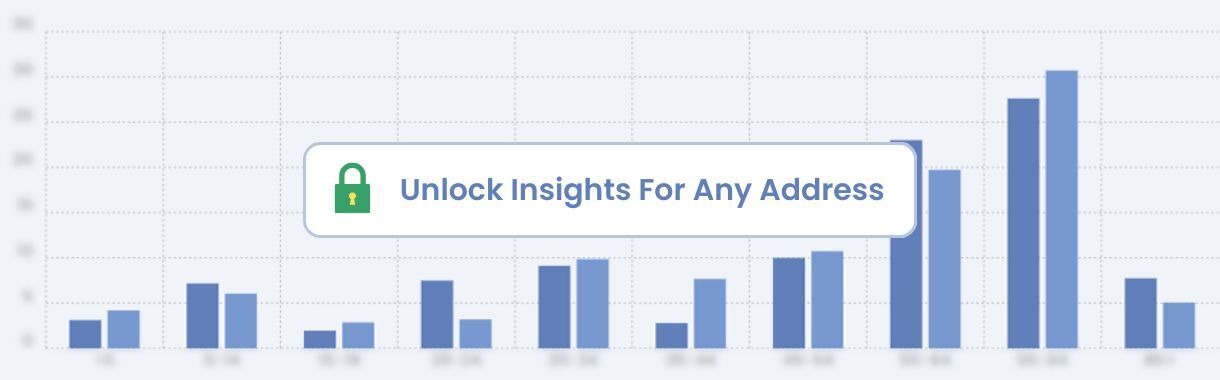
Age Breakdown

Marineland neighborhood age breakdown chart

Marineland demographics offer valuable insights into the character and lifestyle of the neighborhood, helping you understand who lives there and what daily life might feel like. Home to only about 145 residents, Marineland is notably smaller than many other St. Augustine neighborhoods, creating a more peaceful and community-oriented atmosphere. Its lower population can translate to quieter streets, a more relaxed pace of life, and easier access to local amenities — all without sacrificing the vibrant urban lifestyle the city is known for.

With a lower than average population density of 115 people per square mile, Marineland offers a more open and spacious environment compared to many other St. Augustine neighborhoods. This often means quieter streets, less congestion, and a relaxed atmosphere — all while still providing access to the amenities and conveniences of city living.

Home to a population with a higher-than-average age of 54, this area offers a calm and refined atmosphere shaped by experience and tradition. The neighborhood’s more mature demographic fosters a strong sense of community, a relaxed pace of life, and an environment that’s both welcoming and well-established — making it an especially appealing choice for retirees seeking comfort, stability, and connection.

Crime in Marineland

Crime Safety Index Score Locked 1 2 3 4 5


Total Crime Incidents
Try for free within 1 mile
Score Locked per 100k people

Types of Crime

Marineland neighborhood crime breakdown chart

Marineland Crime Map

The Marineland crime map uses detailed block group boundaries from address-based crime data to visualize crime patterns across the neighborhood, highlighting both low-crime zones and areas with higher levels of reported crime. This crime heat map helps paint a clearer picture of local safety trends, showing how crime can vary from one part of the community to another. Keep in mind that areas with higher activity on the map don’t always equate to dangerous conditions — locations near entertainment districts, major roads, or tourist destinations often see more reports simply due to the larger number of people passing through.

Housing

? /10
Home Price $500,800
Median Rent $947
People/Household 2.4

Home Price Breakdown

Marineland neighborhood home price breakdown chart

Rent vs Own

Rent 29% Own 71%

Year Moved In

Before 2010 40% After 2010 60%

Types of Homes in the Area

Market Trends

Year-over-Year Home Prices YoY data


Housing costs often reflect the desirability and overall character of a neighborhood. In Marineland, home prices come in around $500,800, which is higher than many other areas. This elevated pricing points to a sought-after location with strong demand, well-maintained properties, and access to premium amenities that contribute to a higher quality of life. Historical home price trends and appreciation rates in Marineland can serve as a window into the neighborhood’s economic strength and future potential. By understanding how the market has performed in the past, buyers and investors can better evaluate whether the area offers promising opportunities for growth and long-term value.

The median rent is around $947, which is on par with many comparable neighborhoods. This balanced pricing offers a mix of affordability and value, making it a practical choice for a wide range of renters.

Walkability & Lifestyle

Coffee Shops


Entertainment

Ripple Effects Ecotours
Attraction
min.
min.
Marineland Dolphin Adventure
Attraction
min.
min.

Food & Drink


Groceries


Parks

River to Sea Preserve
Park
min.
min.
Princess Place Preserve
Park
min.
min.

Shops

Marineland Gifts
Gift Shop
min.
min.
Kangaroo Express
Convenience Store
min.
min.

Getting Around

Transit Stops


Transit Stations


Health & Safety

Medical Facilities


Health Care


Safety


Education Level Achieved

School ratings in Marineland combine factors like student performance, graduation rates, and standardized test scores to provide a clear picture of overall educational quality. The use of NAEP (National Assessment of Educational Progress) scores adds valuable context by offering a consistent national benchmark to see how local schools compare on a broader scale. Additionally, understanding the overall education level achieved by residents in Marineland can give insight into the community’s priorities and opportunities, helping families make more informed decisions about where to live and how well local schools may support long-term student success.