








Denver Photo

DIA, Denver,CO

Neighborhood Data
Proximitii Score score
? /100
Amenities Score Amenities Score Locked
Transit Score Transit & Commute Score Locked
Schools Score Schools Score Locked
Health & Safety Score Health & Safety Score Locked
City Crime Score Crime (City) Score Locked
Location Crime Score Crime (Location) Score Locked
Economy Score Economy Score Locked
Housing Score Housing Score Locked

If you're considering a move to the southeast part of Denver, the DIA neighborhood is a fantastic option to explore. Known primarily for its proximity to Denver International Airport, this area offers a unique blend of convenience and community charm. Whether you’re a frequent traveler or someone who appreciates easy access to flights, living near DIA means you’re just minutes away from one of the busiest airports in the country. But beyond the airport, the neighborhood boasts a variety of parks and open spaces where residents can enjoy outdoor activities and relax in nature. The nearby Rocky Mountain Arsenal National Wildlife Refuge is a standout attraction, providing hiking trails, wildlife viewing, and beautiful scenery right on your doorstep.

While DIA is a bit removed from the hustle and bustle of downtown Denver, it’s still within a reasonable driving distance—about 25 to 30 minutes depending on traffic. This means you can enjoy a quieter, suburban lifestyle without sacrificing access to the vibrant urban core. The neighborhood also benefits from well-developed transportation options, making commuting or heading into the city for work or entertainment fairly easy. Local amenities in the area include shopping centers, restaurants, and coffee shops that cater to both residents and travelers. Families will appreciate the nearby schools and community centers, which offer various programs and activities throughout the year.

One of the highlights of living in the DIA neighborhood is the strong sense of community and the convenience of having so much within reach. From the interactive exhibits at the airport, like the iconic blue Mustang statue, to local farmers markets and seasonal events, there’s always something happening nearby. Plus, the area's mix of housing options, from modern apartments to single-family homes, means there’s something to suit different lifestyles and budgets. Whether you’re a young professional, a growing family, or someone looking for a practical and comfortable place to call home, this part of Denver offers a welcoming atmosphere and plenty of perks to make your transition smooth and enjoyable.

DIA Demographics

Population 4,389
Density (People/sqml.) 85
Median Age 32.8
Married Couples
42%
42% of the population of DIA aged 16 years and older are married.
Have Kids
29%
29% of the population aged 16 years or older have children.

29% of the DIA population aged 16 and up are married, which is in line with national averages. This balance suggests a neighborhood with a healthy mix of families, couples, and single residents, creating a well-rounded community dynamic. You are likely to find a blend of stability and social variety, appealing to both long-term homeowners and younger professionals alike.

With only 29% of people over 16 having children, you can expect an easygoing environment that tends to attract residents seeking a quieter lifestyle. The atmosphere here leans more toward adult-oriented living. Without the constant rhythm of school schedules or kid-centered events, the community maintains a slower, more relaxed pace. This makes it especially appealing to singles, couples, and empty nesters who appreciate tranquil streets, and recreation on their own terms.

Age Breakdown

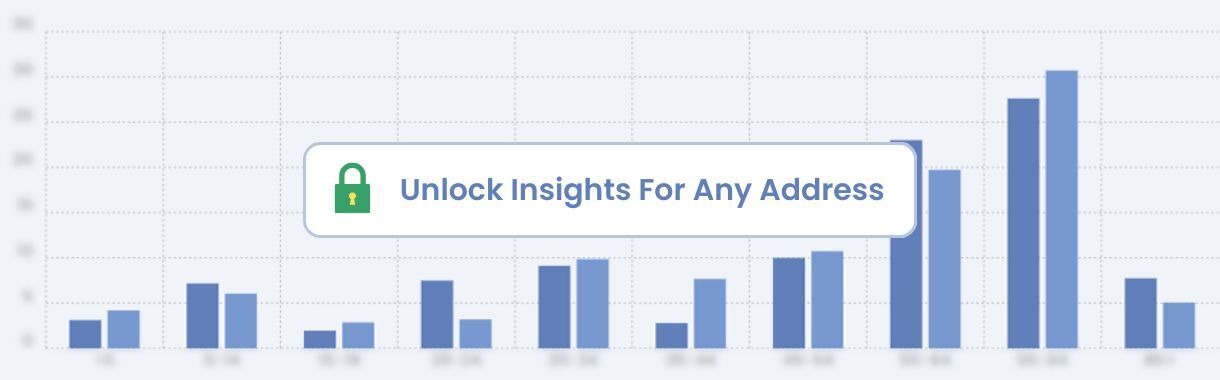
DIA neighborhood age breakdown chart

DIA demographics offer valuable insights into the character and lifestyle of the neighborhood, helping you understand who lives there and what daily life might feel like. Home to only about 4,389 residents, DIA is notably smaller than many other Denver neighborhoods, creating a more peaceful and community-oriented atmosphere. Its lower population can translate to quieter streets, a more relaxed pace of life, and easier access to local amenities — all without sacrificing the vibrant urban lifestyle the city is known for.

With a lower than average population density of 85 people per square mile, DIA offers a more open and spacious environment compared to many other Denver neighborhoods. This often means quieter streets, less congestion, and a relaxed atmosphere — all while still providing access to the amenities and conveniences of city living.

With an average age of 33, you're likely to find a well-balanced community where multiple generations live side by side. This mix of age groups contributes to a neighborhood atmosphere that’s both active and welcoming, offering a blend of fresh perspectives and long-standing community values.

Crime in DIA

Crime Safety Index Score Locked 1 2 3 4 5


Total Crime Incidents
Try for free within 1 mile
Score Locked per 100k people

Types of Crime

DIA neighborhood crime breakdown chart

DIA Crime Map

The DIA crime map offers a clear, data-driven look at how crime is distributed throughout the neighborhood, using block group data to highlight both safer areas and potential hot spots. The color-coded map makes it easy to see where crime is more concentrated and where it occurs less frequently, helping residents and prospective buyers better understand local safety patterns. It’s important to note that darker or red zones on the map don’t necessarily mean those areas are unsafe — locations near busy transit hubs, shopping districts, or popular attractions often show higher activity simply due to larger crowds and increased foot traffic.

Housing

? /10
Home Price $453,217
Median Rent $1,764
People/Household 2.8

Home Price Breakdown

DIA neighborhood home price breakdown chart

Rent vs Own

Rent 38% Own 62%

Year Moved In

Before 2010 30% After 2010 70%

Types of Homes in the Area

Market Trends

Year-over-Year Home Prices YoY data


Housing costs often reflect the desirability and overall character of a neighborhood. In DIA, home prices come in around $453,217, which is higher than many other areas. This elevated pricing points to a sought-after location with strong demand, well-maintained properties, and access to premium amenities that contribute to a higher quality of life. Historical home price trends and appreciation rates in DIA can serve as a window into the neighborhood’s economic strength and future potential. By understanding how the market has performed in the past, buyers and investors can better evaluate whether the area offers promising opportunities for growth and long-term value.

With an average rent price of $1,764, rental rates in DIA are higher than many other neighborhoods. This reflects the area’s desirability and strong demand, often accompanied by well-maintained properties, premium amenities, and a high quality of life.

Walkability & Lifestyle

Coffee Shops

Starbucks
Coffee Shop
min.
min.
The Coffee Bean & Tea Leaf
Coffee Shop
min.
min.

Entertainment


Food & Drink

Hagan Daas
Sweets
min.
min.
Wetzel's Pretzels
Fast Food
min.
min.

Groceries


Parks


Shops

Tags
Convenience Store
min.
min.
SkyMarket
Convenience Store
min.
min.

Getting Around

Transit Stops

E-3
Bus Stop
min.
min.
D-2
Bus Stop
min.
min.

Transit Stations

B Gates
Transit Station
min.
min.
A Gates
Transit Station
min.
min.

Health & Safety

Medical Facilities


Health Care


Safety

Denver Fire Department Station 31 DIA Station 1
Fire Station
min.
min.
DIA Fire Station 4 / Denver Fire Station 34
Fire Station
min.
min.

Education Level Achieved

School quality plays an important role in shaping the overall appeal of a neighborhood like DIA. Ratings based on student achievement, graduation rates, and standardized tests — supported by national benchmarks like the NAEP (National Assessment of Educational Progress) — help paint a clearer picture of how local schools perform. Additionally, understanding the education levels of residents in DIA offers valuable context about the community’s emphasis on learning and opportunity, helping families make confident decisions about where to settle and invest in their children’s future.