


For decades, “location, location, location” has been real estate’s most repeated phrase. It’s short, memorable, and broadly true. But for much of its history, the concept was treated as instinctive rather than measurable—something agents felt rather than something buyers could clearly evaluate.
The expression itself is most commonly credited to Harold Samuel, a British real estate developer who popularized it in the mid-20th century. His point was simple: a property’s long-term value is shaped far more by where it is than by the structure sitting on it. At the time, “location” largely meant reputation, proximity, and desirability—factors professionals understood intuitively, even when buyers couldn’t easily quantify them.
Today, that’s changed. In a world shaped by remote work, rising housing costs, lifestyle-driven decisions, and unprecedented access to data, location is no longer a vague idea—it’s a quantifiable, multidimensional factor. And that’s precisely why location matters more now than at any point in modern real estate history.
From Intuition to Information
Traditionally, location meant proximity to a city center, a good school district, or a desirable ZIP code. Buyers relied heavily on reputation, word of mouth, and agent expertise to interpret what “good location” really meant. Even when the logic was sound, it often wasn’t visible. A neighborhood was described with broad strokes, and many of the details that shape daily life were left to discovery after the move.
Now, buyers expect clarity. They want to know how a neighborhood actually functions in real life. They want to understand daily convenience, not just the highlight reel. And they want those answers quickly, without guessing.
Why Location Has Gained New Weight
Several major shifts have amplified the importance of location in recent years, making it less of a slogan and more of a decision framework.
Remote and Hybrid Work Changed the Rules
When people were tied to a daily commute, housing decisions often revolved around office proximity. Today, many buyers have flexibility—and that flexibility has raised expectations. People aren’t just choosing where to work; they’re choosing where to live well.
Neighborhoods are now evaluated on the things that shape the rhythm of everyday life: how easy it is to grab a coffee, run errands, get to the gym, take kids to school, meet friends, or spend time outside. When work becomes more flexible, location becomes the primary lifestyle decision.
Rising Costs Make Mistakes More Expensive
With housing affordability under pressure, buyers are more cautious than ever. Choosing the wrong location isn’t just inconvenient—it can be financially painful. A home in a poorly connected area can mean higher transportation costs, fewer nearby services, and lower long-term desirability.
As prices rise, buyers are scrutinizing location with more discipline. They’re looking for areas where their money buys not only a home, but also a better day-to-day experience.
Buyers Shop for Neighborhoods Before Homes
Increasingly, buyers start their search by narrowing down neighborhoods—not listings. This is one of the most important changes in real estate behavior. People want confidence in the environment before they commit to the property.
It’s a reflection of a simple truth that has always been embedded in the original saying: you can renovate a kitchen, update a bathroom, or rework a layout, but you can’t remodel what surrounds you.
Location Is No Longer One-Dimensional

What makes location more relevant today isn’t just its importance—it’s its complexity. In the past, “good location” was often shorthand for status or reputation. Now it’s a blend of practical access and lifestyle fit.
Location increasingly includes things like walkability, transit connectivity, recreation, health access, education options, and the local amenities that make a neighborhood feel alive. Two homes in the same city—sometimes just blocks apart—can offer entirely different lifestyles depending on these factors. That nuance is now central to how buyers evaluate value.
Data Has Made Location Actionable
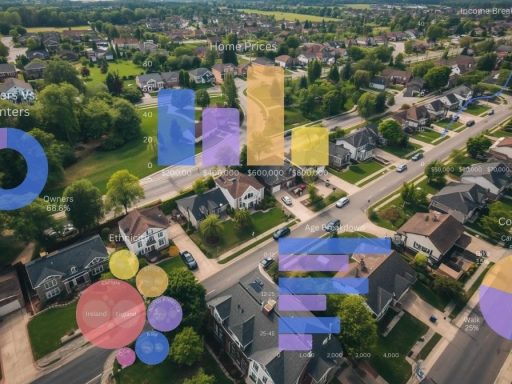
The biggest change is that location is now measurable. Harold Samuel’s insight began as a rule of thumb—smart, but subjective. Today, buyers can evaluate the components of location with far more precision. Instead of relying on broad city averages or assumptions about a ZIP code, they can understand how livability changes neighborhood by neighborhood.
This has reshaped expectations. Buyers want to compare places side-by-side. They want transparency about convenience, lifestyle, and long-term stability. And they want the decision to feel informed rather than emotional guesswork.
Turning Location Into Insight
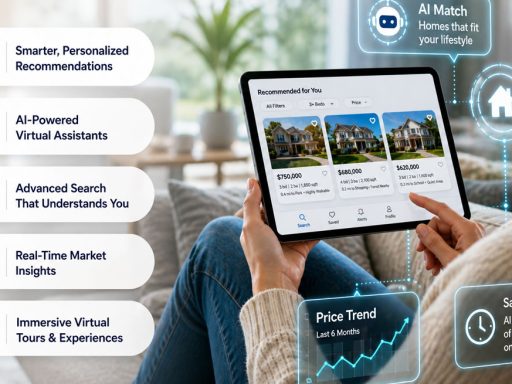
Understanding location today goes beyond knowing what’s nearby—it’s about understanding how a neighborhood actually functions day to day. That’s where tools like Local Insights come in. By combining hundreds of data points into a clear, easy-to-read view, Local Insights helps buyers, sellers, and real estate professionals quickly see how walkability, transit access, lifestyle amenities, and community factors come together in one place.
Instead of relying on assumptions or broad city averages, Local Insights provides a hyperlocal perspective that makes comparing neighborhoods faster and more meaningful. In a market where buyers increasingly choose neighborhoods before homes, having clear, actionable location data helps turn a timeless real estate principle into a confident, informed decision.
Why “Location” Matters More Than Ever
The phrase “location, location, location” has endured because it points to a fundamental truth. What’s changed is not the truth itself, but our ability to see it. The old mantra has become more relevant because modern buyers are prioritizing lifestyle and long-term value, and because we now have the tools to define location beyond reputation.
In a world where flexibility matters, time feels scarce, and costs are higher, location has become the clearest signal of fit—not just where you live, but how you live.
That’s why the oldest rule in real estate isn’t outdated. It’s simply more measurable, more personal, and more powerful than it has ever been.