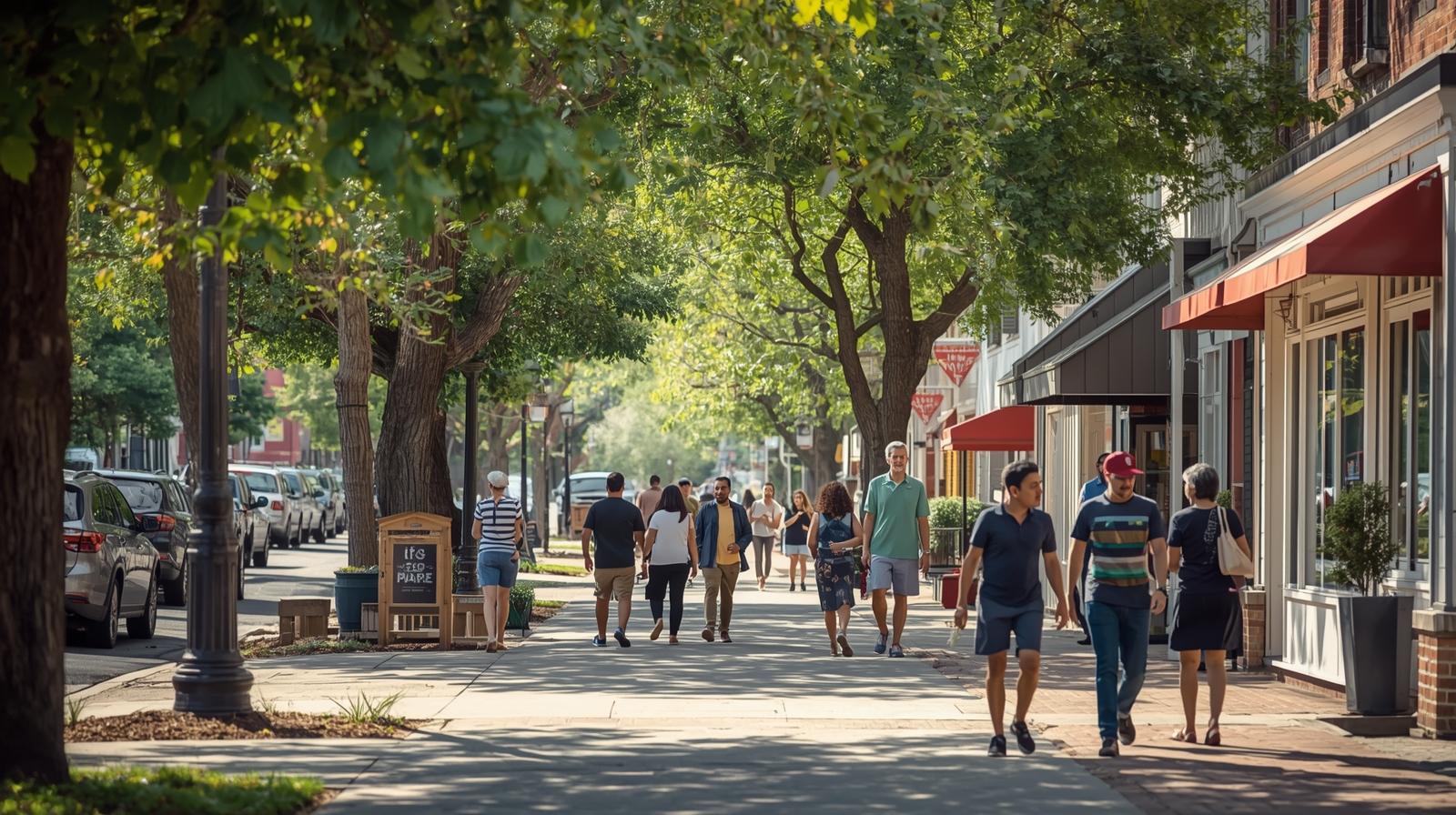

Walkability has quickly become one of the most talked-about features in modern real estate. Buyers aren’t just asking how big a home is or how new the kitchen looks — they want to know what life feels like once they step outside their front door.
Can they walk to grab coffee in the morning? Pick up groceries without getting in the car? Meet friends for dinner nearby or enjoy a short walk to local entertainment? These everyday moments are what define walkability, and they play a major role in how people choose where to live.
But walkability isn’t as simple as having sidewalks or a high score on a map. It’s a combination of access, design, convenience, and lifestyle — and understanding it requires looking at how a neighborhood actually functions day to day.
What Does Walkability Really Mean?
At its core, walkability refers to how easy and practical it is for residents to complete daily activities on foot. A walkable neighborhood allows people to move comfortably, safely, and efficiently between homes, shops, restaurants, services, parks, and entertainment.
True walkability answers questions such as:
-
Can I buy groceries without getting in a car?
-
Is there coffee or food within a short walk?
-
Are sidewalks continuous and safe?
-
Do destinations feel connected or spread out?
-
Can errands be combined into a single trip?
-
Is walking convenient at different times of day?
A neighborhood might have sidewalks everywhere and still feel unwalkable if everything is spread far apart. On the other hand, areas with modest infrastructure can feel extremely walkable when destinations are nearby and streets connect naturally.
Walkability is less about pavement and more about proximity.
Why Walkable Neighborhoods Matter More Today
Interest in walkable neighborhoods has grown steadily, and it’s not difficult to see why. Transportation costs continue to rise, work schedules have become more flexible, and many people want lifestyles that allow them to move more and drive less.
Walkable areas often make daily life easier. Short errands don’t require planning. Social activity happens naturally. Residents feel more connected to their surroundings and to each other.
For many buyers — especially younger households, empty nesters, and remote workers — walkability is no longer a bonus feature. It’s one of the first things they evaluate when narrowing down neighborhoods.
Access to Everyday Amenities Is the Foundation
The most important ingredient in walkability is access to useful places. People walk when there is somewhere worth walking to.
Neighborhoods tend to feel truly walkable when everyday amenities are close by. That includes grocery stores, coffee shops, restaurants, retail, and entertainment. When these destinations sit within a short distance, walking becomes the default choice rather than an exception.
Without nearby amenities, even well-designed streets lose their usefulness. Walkability depends on convenience. If residents have to walk thirty minutes just to reach a basic service, most won’t do it regularly.
This is why amenity density plays such a central role in evaluating how walkable a neighborhood actually feels.
Study From Toronto, ON Residents
Research from The Walkable City: Neighbourhood Design and Preferences, Travel Choices and Health — a report published by Toronto Public Health — reveals that walkability is a highly valued neighbourhood feature among residents, particularly in urban settings like Toronto. The study found that people overwhelmingly prefer walkable and transit-supportive communities, where shops, services, and amenities are within easy walking distance of homes. Not only do walkable areas support more frequent walking and public transit use, they are also associated with reduced driving, increased physical activity, and potential health and environmental benefits. Toronto residents, in particular, have expressed strong latent demand for neighbourhoods where walking is a realistic and convenient part of everyday life, especially when it comes to accessing local stores and services within a short walk.
Below is a ranked summary of the priority factors that residents in the City of Toronto identified when selecting a neighbourhood, illustrating both traditional and walkability-related considerations.
| Features | Rank |
|---|---|
| Affordability | 1 |
| Ease of walking | 2 |
| Easy access to work & other destinations by transit | 3 |
| Closeness to shops & services | 4 |
| Closeness to bus stops & trains | 5 |
| Closeness to wide range of small to medium size food stores | 5 |
| Size inside home | 5 |
| Closeness to open space | 6 |
| Closeness to job or school | 7 |
| Closeness to recreational space (sports, playgrounds, etc.) | 8 |
| Noise from traffic | 8 |
| Closeness to restaurants | 9 |
| Closeness to family and friends | 9 |
| Access to highways | 9 |
| Closeness to cultural/entertainment venues | 10 |
| Ease of bicycling | 11 |
| Quality of Schools | 11 |
| Size of the yard | 12 |
| Closeness to elementary school/child care | 13 |
| Closeness to cultural/ethnic community | 14 |
Compact Layout Makes Walking Practical

Walkable neighborhoods are often compact by design. Homes, businesses, and services are woven together instead of separated into isolated zones.
Short blocks, connected streets, and clusters of businesses allow people to combine errands into a single walk. Instead of driving from place to place, residents can stop for coffee, pick up groceries, and meet friends for dinner without ever leaving the neighborhood.
When destinations are spread across large distances or divided by wide roads and parking lots, walking quickly becomes inconvenient — even if sidewalks exist.
Compact design doesn’t just support walking; it encourages it.
Streets That Feel Safe and Comfortable
People are far more likely to walk when streets feel safe and welcoming. Good walkability includes continuous sidewalks, safe crossings, lighting, and traffic patterns that don’t prioritize speed over people.
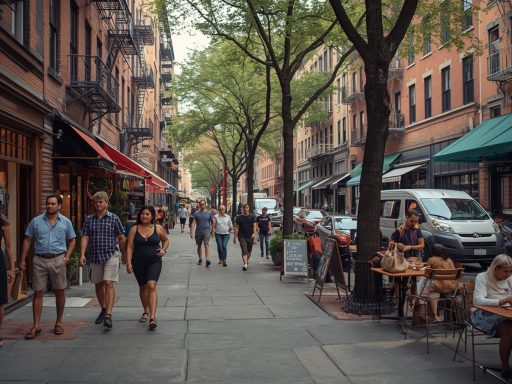
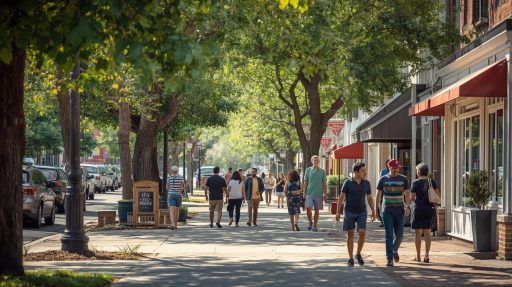
Comfort matters just as much as safety. Tree-lined streets, visible storefronts, and active sidewalks make walking enjoyable rather than stressful. When streets feel inviting, walking becomes part of daily life instead of a chore.
Neighborhoods where pedestrians feel comfortable at all hours tend to see more foot traffic, stronger local business activity, and higher overall engagement.
Connectivity Makes a Big Difference
A well-connected street network can significantly improve walkability. Neighborhoods with direct routes and multiple paths make walking easier and faster.
Long detours, dead ends, and disconnected streets discourage people from walking even short distances. When routes are intuitive and efficient, residents naturally choose to walk more often.
Connectivity doesn’t need to be perfect — it simply needs to feel logical.
Community Activity Brings Walkability to Life
Walkable neighborhoods tend to be active neighborhoods. Sidewalk cafés, local shops, public spaces, and community events all contribute to an environment where people want to be outside.
When streets are busy, walking feels safer and more enjoyable. Activity builds energy, and energy reinforces walkability. This positive cycle is one of the defining traits of highly walkable areas.
In many cases, walkability isn’t just about getting somewhere — it’s about enjoying the journey along the way.
Walkability Category in Our Local Lifestyle Widget
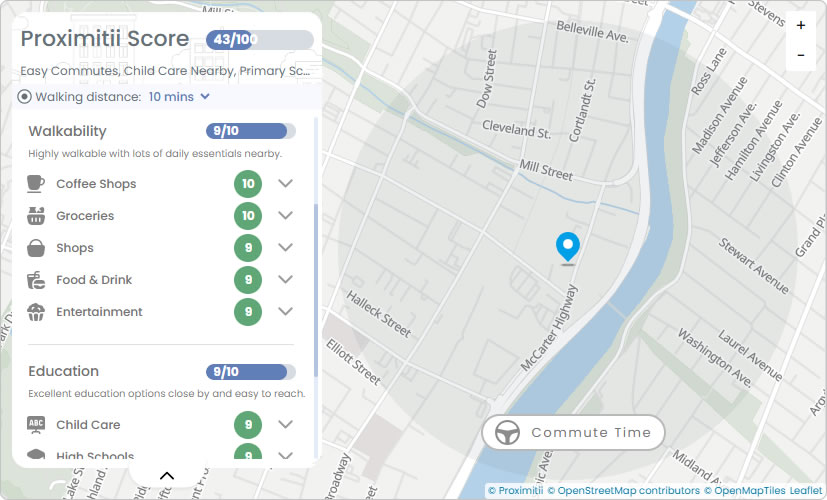
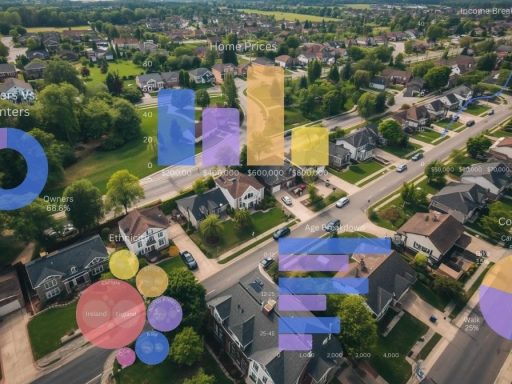
To better reflect how people actually experience walkability, our Local Lifestyle Widget includes a dedicated Walkability category.
Rather than relying on multiple single scores, this new category looks at walkability through the lens of everyday lifestyle needs. It evaluates how easily residents can walk to the places they use most often.
The Walkability category takes into account nearby amenities such as Food & Drink, Grocery Stores, Shopping, Entertainment, and Coffee Shops. These destinations are what turn walking from a possibility into a habit.
By focusing on real-world destinations, the widget provides a more meaningful view of walkability — one that aligns with how people live rather than how neighborhoods look on a map.
Why Amenity-Based Walkability Matters
Traditional walkability measurements often emphasize street design alone. While infrastructure is important, it doesn’t tell the full story.
Amenity-based walkability reflects daily life. It highlights whether residents can actually accomplish common tasks on foot, not just whether sidewalks exist.
This approach allows buyers to understand how convenient daily errands might be, whether walking can replace short drives, how active the neighborhood feels, and how connected homes are to local businesses.
By incorporating these amenity categories, walkability becomes tangible and relatable — not abstract.
How Buyers Use Walkability When Choosing Neighborhoods
For many buyers, walkability directly affects quality of life. Walkable neighborhoods often support healthier routines, lower transportation costs, and more spontaneous social interaction.
Buyers frequently compare neighborhoods based on whether walking feels realistic. Two areas might have similar home prices, but the one with cafés, groceries, and entertainment nearby often feels far more livable.
Walkability has become one of the strongest indicators of long-term neighborhood appeal.
Walkability Is Part of a Bigger Lifestyle Picture
While walkability is important on its own, it’s even more powerful when combined with other lifestyle factors such as safety, schools, transit access, and community amenities.
Understanding how these elements interact helps buyers make more confident decisions. Walkability isn’t just about movement — it’s about how smoothly daily life fits together.
That’s why lifestyle-based neighborhood tools are becoming essential for modern real estate search.
Seeing Walkability Through a Lifestyle Lens
A walkable neighborhood succeeds when it combines proximity, comfort, connectivity, and activity. It’s not defined by one street feature or a single number, but by how all the pieces come together.
By evaluating access to Food & Drink, Coffee Shops, Shopping, Entertainment, and Grocery Stores, the Walkability category offers a clearer picture of what it’s really like to live in a neighborhood.
As buyers continue to prioritize convenience and quality of life, walkability will remain one of the most important characteristics shaping where people choose to live.