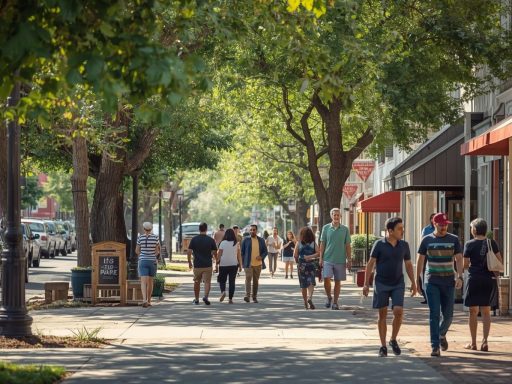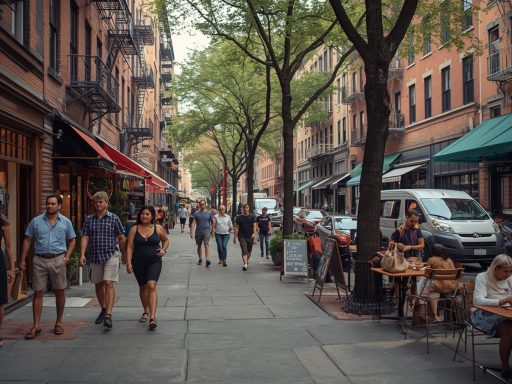

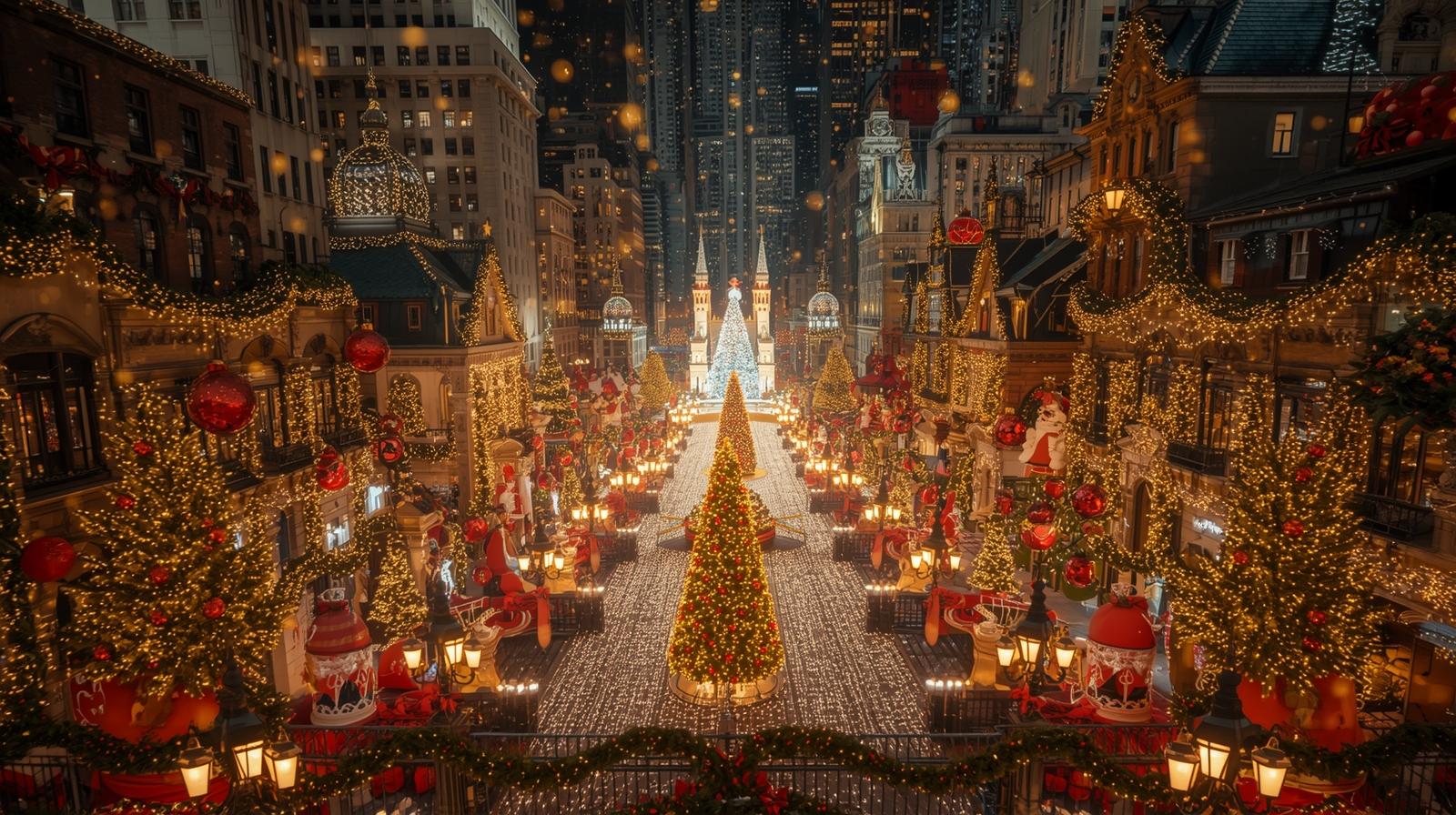

Festive cities aren’t defined by a single parade or holiday market. They’re shaped by neighborhood design, walkability, public gathering spaces, local traditions, and how easily residents can participate in seasonal events without friction. In the most festive places, celebrations feel woven into daily life—supported by compact neighborhoods, active main streets, and strong community infrastructure.
Using a lifestyle-first framework similar to Proximitii’s approach—walkability, access to amenities, community activity, and transit—these cities consistently stand out for how well their neighborhoods support year-round celebrations, from winter holidays to summer festivals.
Below are some of the most festive cities and neighborhoods in America, and the data patterns that help explain why they feel so alive.
New Orleans — Celebration as a Neighborhood Lifestyle
In New Orleans, celebration isn’t limited to a season—it’s a defining feature of neighborhood life. Areas like the French Quarter, Marigny, and Uptown are built for social interaction, with dense street grids, mixed-use corridors, and an unusually high concentration of bars, music venues, and public gathering spaces.
From a lifestyle-data perspective, New Orleans neighborhoods score exceptionally well in walkability and proximity to entertainment and food. Many residents live within a short walk of multiple event venues, making parades, second lines, and holiday festivities accessible without relying on cars. This ease of participation is a major reason celebrations feel organic rather than staged.
Festive indicators include frequent permitted events, high density of live-music venues, and strong nighttime foot traffic—all factors that align with high community engagement scores.
Chicago — Seasonal Festivity at Scale
Chicago demonstrates how large cities can still feel festive at the neighborhood level. While downtown draws global attention during the holidays, neighborhoods like Lincoln Square, Lakeview, and Wicker Park host their own seasonal events, markets, and parades that serve local residents.
Data patterns show that Chicago’s most festive neighborhoods tend to combine strong transit access with walkable commercial corridors. Residents can attend holiday markets, tree lightings, and winter festivals using public transit or on foot—reducing friction and increasing participation.
The presence of plazas, parks, and pedestrian-friendly streets supports year-round programming. Even in winter, these neighborhoods maintain high levels of social activity due to dense amenity clusters and transit connectivity.
New York City — Neighborhood-Driven Holiday Energy
New York City’s festive reputation often centers on iconic attractions, but its true strength lies in neighborhood-scale traditions. Dyker Heights in Brooklyn, for example, transforms residential streets into a nationally recognized holiday destination—entirely driven by homeowners and community participation.
What stands out in lifestyle data is how walkability and density amplify festive behavior. In many NYC neighborhoods, residents live within minutes of parks, plazas, cafés, and transit hubs. This supports spontaneous participation in events and creates consistent foot traffic during the holidays.
Festivity here is reinforced by high residential density, strong public transit usage, and mixed-use zoning—all of which correlate with elevated community engagement and longer time spent in public spaces.
San Antonio — Festivity Built Around Public Space
San Antonio’s River Walk is one of the clearest examples of how urban design shapes festive identity. During the holidays, the river corridor becomes a continuous celebration zone, lined with lights, events, and seasonal programming that spills into adjacent neighborhoods.
From a data perspective, neighborhoods near the River Walk show strong scores for walkability, entertainment access, and community activity. The linear public space allows thousands of residents and visitors to experience events without cars, reinforcing a shared sense of place.
San Antonio’s broader festive culture—including Fiesta celebrations—benefits from a layout that prioritizes pedestrian movement and central gathering areas, making large-scale events feel accessible and neighborhood-centric.
Charleston — Historic Neighborhoods, Modern Festivity
Charleston’s festive appeal is rooted in its historic neighborhoods and human-scale street design. Areas within the peninsula feature narrow streets, historic homes, and compact commercial zones that naturally encourage walking and social interaction.
Holiday parades, seasonal markets, and cultural events are supported by this dense, pedestrian-friendly layout. Lifestyle data often highlights Charleston’s strong proximity to local shops, dining, and cultural attractions—key components of a festive environment.
Rather than relying on large venues, Charleston’s celebrations feel personal and community-driven, which tends to increase resident participation and repeat attendance year after year.
Santa Fe — Cultural Festivity at the Neighborhood Level
Santa Fe offers a different model of festivity—one rooted in tradition and neighborhood identity. During the holidays, farolitos line streets and rooftops, especially along Canyon Road and in historic districts, creating a citywide yet deeply local celebration.
From a data standpoint, Santa Fe’s most festive neighborhoods combine cultural landmarks, walkable streets, and strong community participation. Events are often distributed across multiple neighborhoods rather than centralized, encouraging residents to explore their city on foot.
The result is a festive atmosphere that feels authentic, sustained, and closely tied to place—an outcome strongly correlated with high lifestyle and community engagement scores.
What the Most Festive Places Have in Common
Across these cities, clear patterns emerge:
Neighborhoods that feel festive tend to have high walkability, strong access to amenities, and visible public gathering spaces. Transit access and compact design reduce barriers to participation, while mixed-use areas keep streets active throughout the day and evening.
From a hyperlocal data perspective, festivity aligns closely with:
-
Amenity density within a short radius
-
Walkable street networks
-
Regular community events
-
Active public spaces
-
Strong neighborhood identity
These are the same signals that lifestyle-based neighborhood tools surface when helping people understand what it’s actually like to live in a place.
Why Festive Neighborhoods Matter to Homebuyers
For many buyers, festivity isn’t about spectacle—it’s about connection. Neighborhoods that support celebrations tend to foster stronger social ties, higher engagement, and a greater sense of belonging. These qualities often translate into longer tenure, stronger demand, and more resilient neighborhood appeal.
As buyers increasingly evaluate neighborhoods through a lifestyle lens, festive qualities become another indicator of livability—one that data can help identify and compare.